Best time to visit Chicago — month-by-month guide
Best months to visit Chicago for comfortable weather and manageable crowds are late spring (May–June) and early fall (September). Winter (January–February) is cheapest but cold; summer (July–August) is warmest and busiest with higher crowds and afternoon storms.
In this guide
- Why timing matters in Chicago and at citizenM Chicago Downtown
- January–February: best for deals, dress for cold
- March–April: unpredictable spring, good shoulder-season options
- May–June: late spring — one of the best windows
- July–August: warmest, busiest, expect humidity and storms
- September–November: early fall is another sweet spot
Why timing matters in Chicago and at citizenM Chicago Downtown
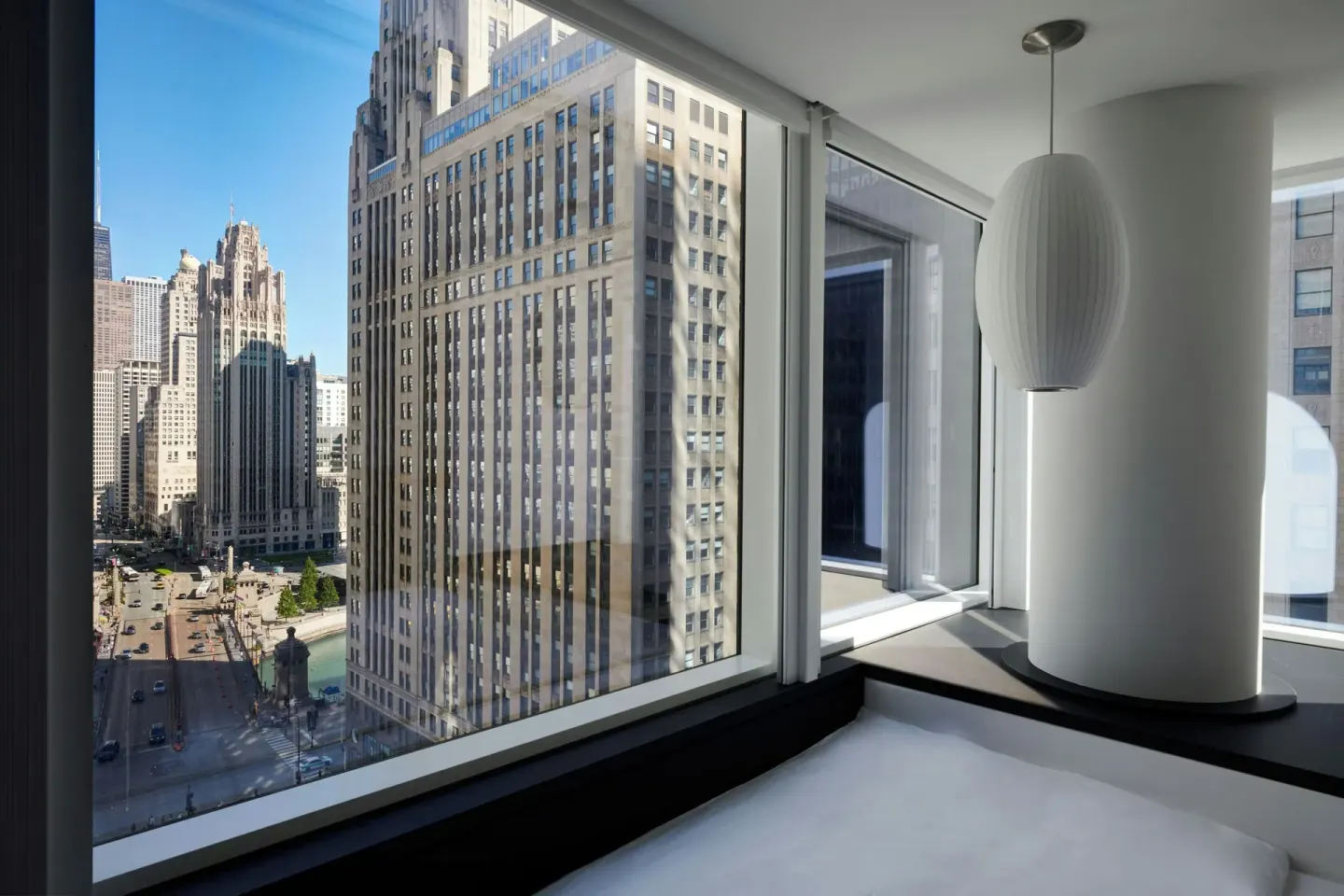
Chicago’s weather changes quickly through the year — lake-effect conditions, spring wind, summer humidity and winter cold all shape what you’ll experience downtown. The hotel's Loop location at 80 East Wacker Place puts you within easy walking distance of the Chicago Riverwalk, Millennium Park and the Magnificent Mile, so weather affects how much you do on foot.
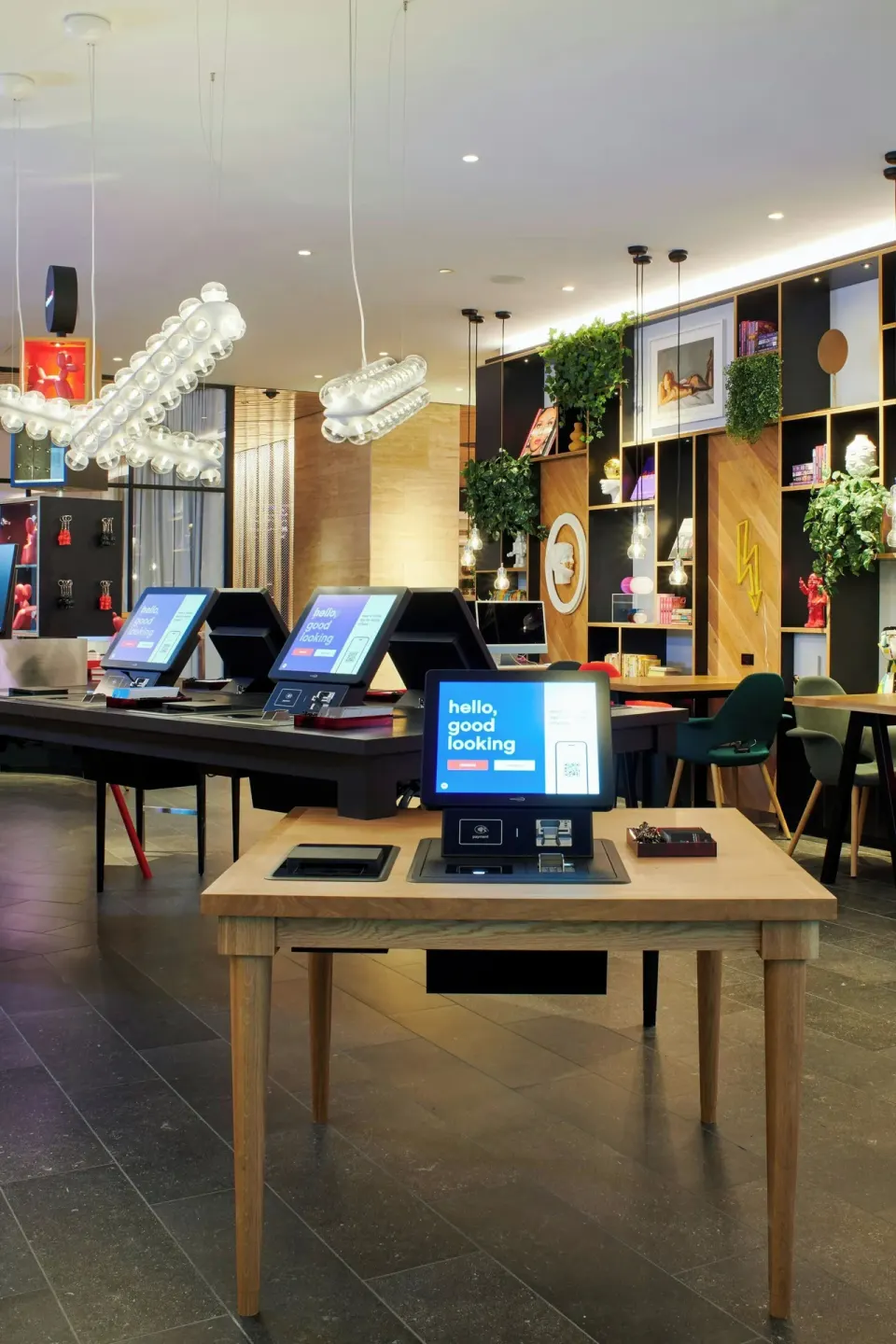
citizenM Chicago Downtown operates year-round with free Wi‑Fi, a 24‑hour fitness center, and canteenM Bar & Restaurant open 24/7, so the property is convenient in any season. Use the hotel’s express check-in kiosks or the citizenM mobile app to speed arrival any time after 2:00 PM (check-in starts at 2:00 PM).
- Hotel basics that affect timing: check-in from 2:00 PM; check-out at 11:00 AM (late check-out may be available for a fee).
- canteenM Bar & Restaurant is open 24/7 and serves breakfast daily 6:00–11:00 AM for a fee.
- No on-site pool or spa; the hotel has a free 24‑hour fitness center.
| Hotel feature | How it helps |
|---|---|
| 24‑hour canteenM Bar & Restaurant | Grab breakfast, dinner, or late-night food anytime |
| Free 24‑hour fitness center | Exercise regardless of weather or arrival time |
| Express check-in/out | Arrive or leave outside peak times easily |
January–February: best for deals, dress for cold
January and February are the quietest months for visitor numbers and typically offer the best flight and hotel rates. If low cost and emptier attractions matter more than warm weather, these months are the value pick.
Weather is cold and often snowy; average winter temperatures are low and there can be severe cold snaps. Pack warm layers, a winter coat, hat, gloves and boots if you plan to walk the Riverwalk or Millennium Park.
If you visit in winter: use canteenM for warm drinks and 24/7 food, and rely on the hotel’s proximity to CTA and Metra stations for shorter outdoor exposure.
- What to pack: insulated coat, thermal layers, waterproof boots
- Plan indoor time: Art Institute, museums, canteenM
- Transport: CTA and Metra nearby to limit long outdoor walks
| Pros | Cons |
|---|---|
| Lower hotel and flight prices | Cold, snow and possible severe cold snaps |
| Fewer crowds at attractions | Some outdoor activities limited |
| Easy access to museums and indoor sights | Shorter daylight hours |
March–April: unpredictable spring, good shoulder-season options
Spring is variable — temperatures can jump from very cool to mild within days, and windy conditions are common. Expect unstable weather and plan layered outfits. April is a good shoulder month to avoid summer crowds if you can tolerate some cool days.
Walking distance attractions (Bean/Millennium Park ~10 minutes, Chicago Riverwalk one block away) are pleasant on milder days, but bring a windproof jacket for blustery spells. The hotel’s central location and 24‑hour canteenM make it easy to move activities indoors when the weather turns.
If your dates are flexible, early April or late March can offer lower crowds than May, but be prepared for rain or chill.
- Layered clothing, windbreaker, and an umbrella
- Check forecast day-by-day — spring can change fast
- Use canteenM and nearby museums for flexible indoor plans
| Good for | Weather notes |
|---|---|
| Avoiding summer crowds | Can be cool and windy |
| Lower shoulder-season rates than late spring | Variable temps and occasional rain |
| Short city breaks | Bring layers |
May–June: late spring — one of the best windows
Late spring (May–June) combines warming temperatures with lower humidity than midsummer and generally manageable crowds. Many guides cite May and June as among the best months to visit for outdoor sightseeing and river cruises.
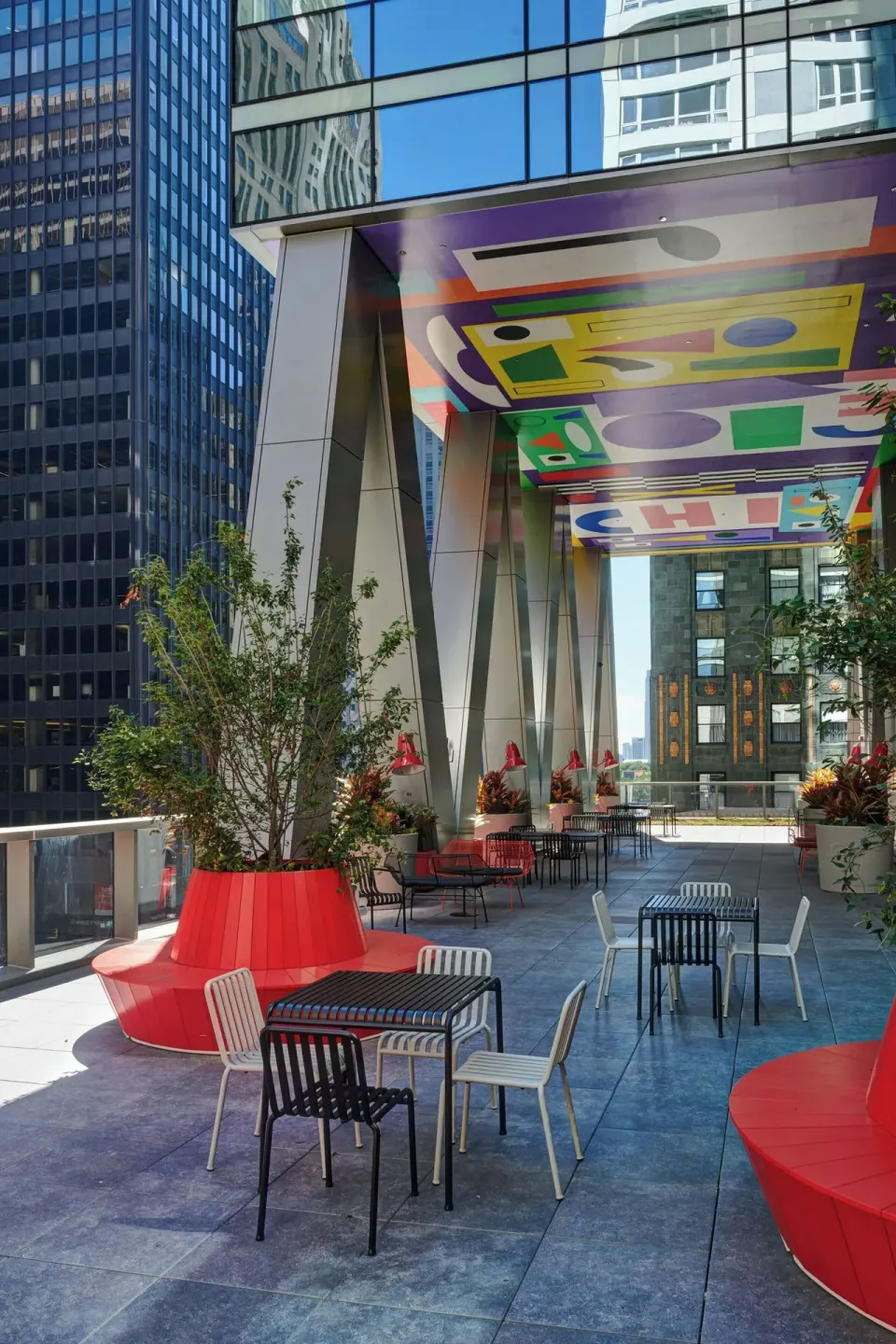
This is a good time to plan walks along the Chicago Riverwalk, a trip to Millennium Park, or an architecture river cruise from the nearby Architecture Center dock. The hotel's central location makes these outdoor options easy to reach on foot.
If you prefer fewer crowds than peak July–August but reliably mild weather, target late May or early June.
- Typical benefits: milder temperatures, fewer peak-summer crowds
- Activities to enjoy: Riverwalk strolls, outdoor dining, architecture cruises
- Hotel perks: canteenM open 24/7 for pre- or post‑sightseeing meals
| When to go | Why |
|---|---|
| Late May–early June | Best mix of weather and fewer crowds than summer |
| Avoid Memorial Day weekend if you want quieter streets | Holiday weekends increase local visitors |
| Book river cruises in advance for busy days | Popular during nice-weather weekends |
July–August: warmest, busiest, expect humidity and storms
Summer is Chicago’s peak tourist season. July and August bring the warmest temperatures, higher humidity, and the most visitors downtown, which means attractions, tours and restaurants can be busier.
Summer is also the wettest season with the possibility of quick afternoon thunderstorms. Plan flexible itineraries and keep an eye on same‑day forecasts if you have river or outdoor plans.
If you stay during these months, citizenM’s central location gives easy access to indoor ticketed sights if the weather turns, and canteenM is available 24/7 for meals around your schedule.
- Expect crowds at Millennium Park, Navy Pier and the Magnificent Mile
- Bring light clothing plus a compact rain jacket for sudden storms
- Book popular activities (architecture cruises, tours) ahead when possible
| Summer travel tip | Why it helps |
|---|---|
| Start outdoor activities in the morning | Afternoon storms are common |
| Carry water and sun protection | Humidity and sun exposure can be intense |
| Reserve popular tours in advance | Avoid sold-out slots on busy days |
September–November: early fall is another sweet spot
September often offers the year’s best weather — warm days, lower humidity, and thinner crowds than midsummer. Early fall is typically recommended as another top window for visiting Chicago.
October and November bring cooler days and colorful city parks; by late November temperatures drop toward winter levels. If you want to combine pleasant weather with easier access to sights, target September or early October.
Shoulder-season advantages also include generally lower rates after Labor Day, while flights and hotels can be cheaper than in summer.
- September = warm days, fewer crowds than July–August
- October = cooler weather, fall colors in parks
- November = lower rates but prepare for colder temperatures
| Best for | Notes |
|---|---|
| Photography and walking tours | Clearer light and milder temperatures in September |
| Museum days and indoor attractions | Good in October as weather cools |
| Budget travelers | November often has lower rates but colder weather |